
When it comes to wedding films, most of the attention naturally goes to visuals, storytelling, and music. But there’s one detail that often gets overlooked—typography. The fonts you choose for your titles can quietly shape the entire perception of your film.
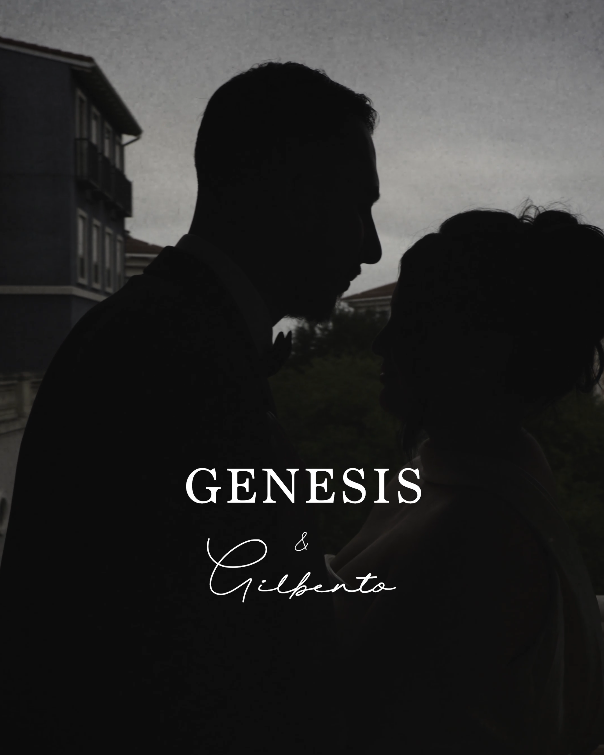
The opening titles are usually the very first thing your viewer sees. Before the story unfolds, before the эмоции build, there’s a moment where the film sets its tone. Clean, well-designed typography immediately creates a sense of intention and professionalism. On the other hand, poorly chosen fonts can break immersion before the film even begins.
Titles at the beginning of a wedding film serve a simple purpose: they introduce the couple, the date, or the location. But beyond that, they act as a visual cue. They tell the viewer what kind of film they’re about to watch—whether it’s elegant and timeless, modern and minimal, or soft and romantic.
This is where aesthetic font choices become important. Subtle, well-balanced typography feels natural within the frame. It doesn’t distract—it complements. It works together with the visuals, color grading, and pacing to create a cohesive look. Serif fonts often bring a classic, refined feel, while clean sans-serif options can give a more modern and minimal touch. Script fonts, when used carefully, can add softness and intimacy.
The key is restraint. In most cases, less is more. Overly decorative or trendy fonts can quickly feel outdated or out of place. Simple, elegant choices tend to age much better and keep the focus where it belongs—on the story.
There’s also a perceived value aspect. Thoughtful typography makes your work feel more polished and intentional. Even if the viewer can’t explain why, they’ll feel the difference. Clean titles, proper spacing, and good font pairing subtly elevate the entire film. It’s one of those details that makes your work feel more “premium” without being obvious about it.
For wedding videographers, this matters not just creatively, but also commercially. Couples may not notice the font itself, but they will notice how the film feels. And that feeling—refined, cohesive, cinematic—is what allows you to position your work at a higher level.
In the end, typography is a small part of the process, but it carries weight. When done right, it enhances the story, supports the mood, and adds that final layer of polish that turns a good wedding film into a truly memorable one.